
Helping Kids with School Anxiety: A Guide for Parents
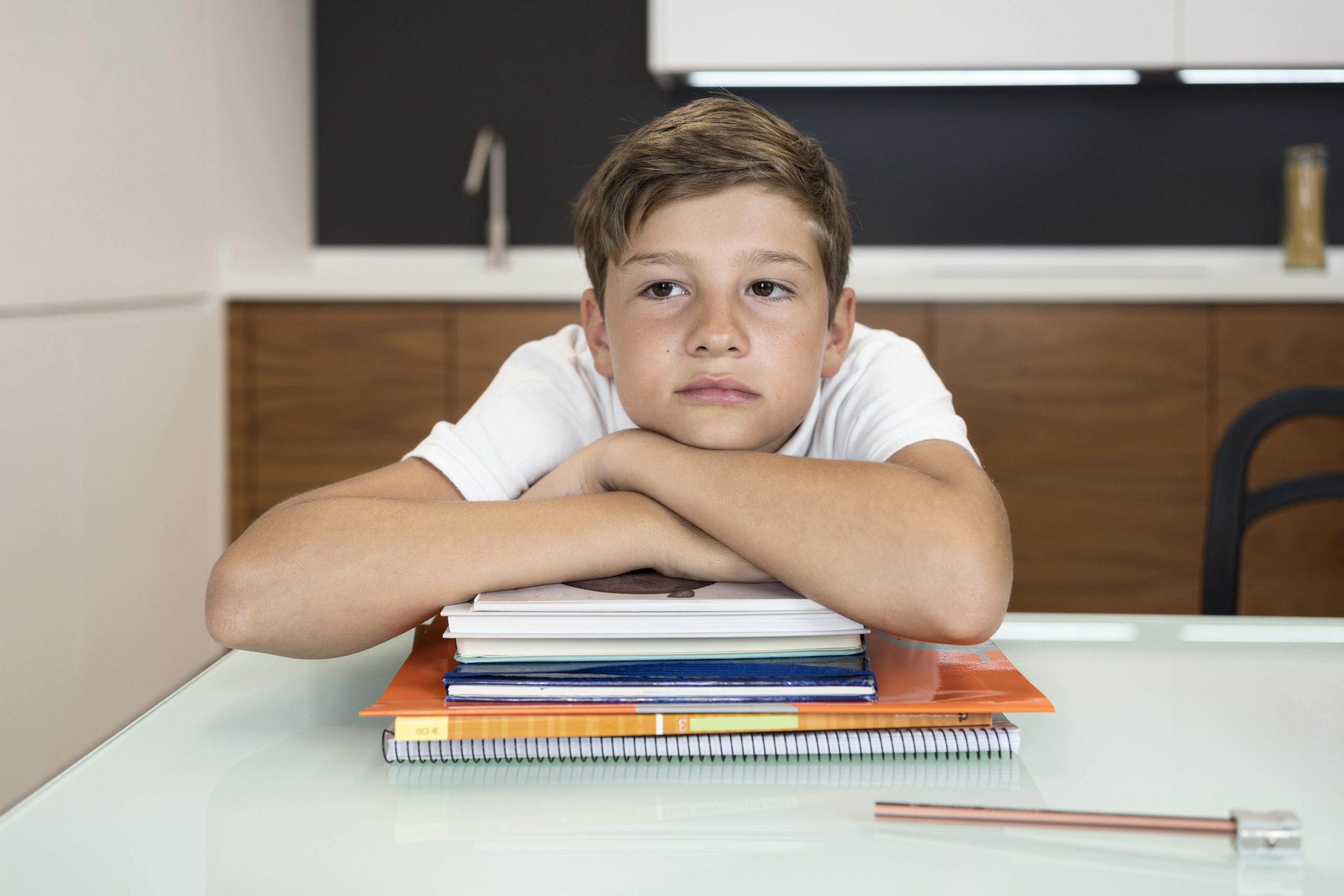
Struggling with a child who dreads school? Helping kids with school anxiety starts with recognizing that their worries are real and not just an excuse to stay home. Whether they fear speaking up in class, making mistakes, or struggling with their work, school can feel overwhelming. But with the right support, encouragement, and learning strategies, anxious children can rebuild their confidence, develop coping skills, and start enjoying school again. Let’s explore practical ways to ease school-related stress and create a positive learning experience. 📚✨
“Mum, my stomach hurts. I don’t want to go to school.” 😟💭
Sound familiar? As a parent, hearing these words can be heartbreaking. It’s easy to assume your child is just trying to skip a test or avoid homework, but what if their tummy ache is actually anxiety in disguise?
For many children, school isn’t just a place of learning—it’s a source of stress, fear, and self-doubt. School anxiety can turn every morning into a battle, making kids feel overwhelmed, isolated, and incapable of success.
But here’s the truth: Kids aren’t lazy. They aren’t just shy. They’re battling invisible barriers that make school feel like a battlefield instead of a playground. And as parents, the best thing we can do is help them feel safe, supported, and empowered in their learning journey.
What Is School Anxiety?
Helping kids with school anxiety starts with understanding that it’s more than just a child saying, “I don’t want to go to school.” School anxiety is a form of chronic worry or fear that can affect every part of a child’s school experience, from academic performance to social interactions. It can stem from fear of failing a test, speaking in front of the class, struggling with assignments, or even navigating friendships and social pressure. For some children, anxiety builds up over time due to past experiences, while for others, it can feel overwhelming without an obvious cause. Regardless of why it happens, school anxiety can make learning stressful instead of exciting, leading to avoidance, self-doubt, and a decline in confidence. Understanding the different aspects of school life that trigger this anxiety is the first step in helping kids with school anxiety so they can feel safe, supported, and empowered in their learning journey.
✅ Fear of failure – “What if I can’t do it?”
✅ Fear of speaking up – “What if I say something wrong?”
✅ Fear of judgment – “What if people laugh at me?”
✅ Fear of making mistakes – “What if I disappoint my teacher or parents?”
For many students, these negative thoughts spiral into avoidance, causing headaches, stomachaches, and even full-blown school refusal.
Common Signs of School Anxiety in Children
Parents often don’t realize their child has school anxiety because it can look different for every child. Some kids cry and refuse to go to school, while others may seem quiet, withdrawn, or overly perfectionistic.
🚩 Physical Symptoms:
- Complaints of stomachaches, headaches, or feeling sick before school.
- Trouble sleeping or frequent nightmares about school.
- Increased fatigue or loss of appetite.
🚩 Emotional Symptoms:
- Excessive worrying about school-related situations.
- Fear of being called on in class.
- Intense frustration or meltdowns over homework.
🚩 Behavioral Symptoms:
- Avoiding school or asking to stay home often.
- Procrastinating on schoolwork out of fear of failing.
- Becoming extremely upset over small academic mistakes.
If you notice these patterns, your child isn’t being difficult—they need support, reassurance, and the right learning environment to help them overcome their fears.
What Causes School Anxiety?
There’s no single cause of school anxiety. It often stems from a combination of academic pressure, social fears, and self-doubt.
1. Fear of Failure & Perfectionism
Some children place immense pressure on themselves to do well. They worry about getting things wrong, disappointing their teachers, or failing tests, which makes them feel paralyzed by fear.
2. Social Anxiety & Peer Pressure
For shy or sensitive kids, school can be overwhelming. The fear of being judged, laughed at, or making a mistake in front of classmates can cause severe stress.
3. Negative Past Experiences
A bad grade, a tough teacher, or an embarrassing moment in class can stick with a child, making them afraid to engage in future lessons.
4. Learning Difficulties
If a child struggles with reading, writing, or comprehension, they may feel “not smart enough” or compare themselves to others, leading to frustration and avoidance.
5. Pressure from Parents or Teachers
While high expectations are important, too much pressure to perform well can make children feel like their self-worth depends on grades.
6. Bullying & Social Exclusion
If a child is being bullied or left out, school can feel unsafe, making them dread going to class.
Regardless of the cause, the goal isn’t to force kids to “toughen up”—it’s to create an environment where they feel safe to learn, grow, and make mistakes without fear.
Does my child have ADHD?
🌟Try This Parent-Friendly aDHD test
This screening ADHD test is a loving step toward exploring whether your child might benefit from a little extra support — especially if they show signs of ADHD or executive functioning differences.
We’re not here to label. We’re here to help you understand the squiggles, celebrate the quirks, and support your child in a way that feels empowering.
FREE | Parent-Friendly aDHD test
Helping kids with school anxiety
1. Validate Their Feelings 🗣️💬
Instead of saying “You’ll be fine, don’t worry,” acknowledge their fears. Try:
❌ What NOT to say:
- “Just toughen up, it’s not that bad.”
- “School is easy! You’re overreacting.”
- “Stop making excuses.”
✅ What TO say:
- “I see that school is making you feel nervous. Let’s talk about it.”
- “It sounds like you’re feeling overwhelmed. What can we do to help?”
- “You are not alone. Many kids feel this way, and we will find a way to make school better for you.”
Simply knowing that you understand and support them can make a huge difference.
2. Teach Coping Strategies 🧘♂️
Helping kids with school anxiety gives them the tools to handle challenges on their own. Some effective strategies include:
✔ Deep Breathing: Teach them to inhale for 4 seconds, hold for 4, and exhale for 4 to calm their nervous system.
✔ Positive Self-Talk: Replace negative thoughts with affirmations like “I can try my best” instead of “I will fail.”
✔ Breaking Tasks into Small Steps: Instead of tackling an overwhelming project all at once, break it down into manageable pieces.
3. Make School a Safe Place for Learning ✏️📚
Many children with school anxiety fear making mistakes. Instead of expecting perfection, shift the focus to progress and effort.
🚀 Encourage a Growth Mindset – Teach kids that mistakes aren’t failures, they’re part of learning.
🎨 Use Creative Learning Methods – Some kids learn better through visuals, movement, or interactive activities rather than just reading textbooks.
💡 Work with Teachers – Talk to educators about creating a supportive learning environment for your child.
4. International Organizations & Mental Health Support | Helping kids with school anxiety ✏️📚
- YoungMinds UK – Anxiety in Children
🇬🇧https://www.youngminds.org.uk/ - Understood.org – Learning & Anxiety Support for Kids
🌎https://www.understood.org/
(Resources for parents and educators on helping kids with learning challenges and anxiety.)
Why Tutoring is Helping Kids with School Anxiety
Sometimes, kids need one-on-one support in a low-pressure setting where they feel comfortable asking questions, making mistakes, and learning at their own pace.
At Global Tutors, we specialize in helping kids with school anxiety by:
✅ Providing a patient, encouraging tutor who understands anxiety.
✅ Creating a safe, judgment-free space for learning.
✅ Focusing on confidence-building rather than just academic results.
✅ Using customized teaching methods to match each child’s learning style.
Many students who struggle in traditional classrooms thrive in a personalized tutoring environment because they feel seen, heard, and supported.
Our tutors are qualified educators, many of whom have backgrounds in school psychology, counselling, and inclusive education. They are trained to understand the unique challenges ADHD students face and use evidence-based strategies to support their learning. By combining their expertise with personalized, patient, and flexible teaching methods, they create a supportive environment where ADHD students can thrive, build confidence, and reach their full potential.
If your child is struggling with school anxiety, remember:
✔ They are NOT lazy.
✔ They are NOT overreacting.
✔ They just need the right support to feel confident in their learning.
Anxiety shouldn’t stand in the way of their education. With patience, understanding, and the right resources, every child can overcome their fears and find joy in learning again.
🚀 Ready to help your child gain confidence in school?
📩 Contact us via WhatsApp or find anonline tutor today!
Ready to Excel in Your Exams?
Get personalized support from our expert tutors and achieve your academic goals.
Book a Tutor